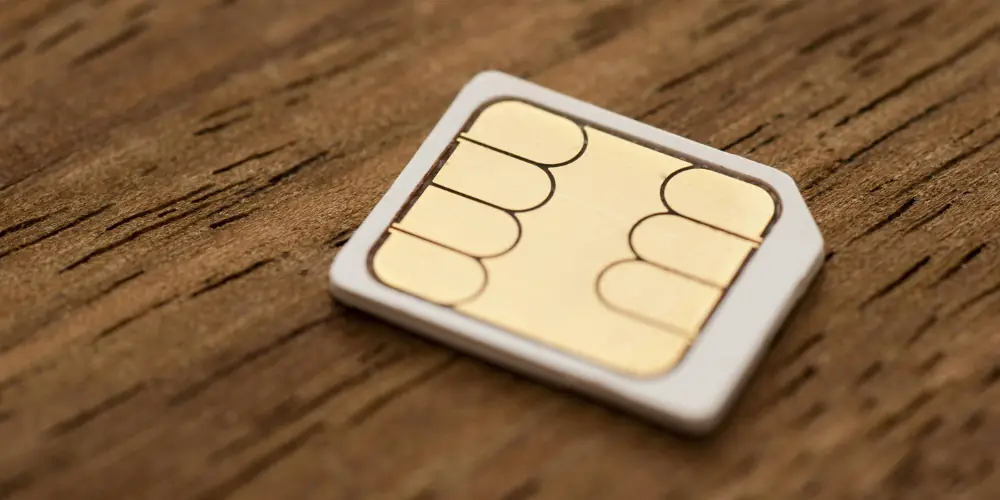
For years, sliding a tiny SIM card into a phone has been the first step to getting connected. Apple now appears ready to change that familiar ritual. With the arrival of the iPhone Air, the company is signaling a new era where eSIM technology takes center stage and physical SIM trays could soon be history.
A Major Shift in iPhone Design
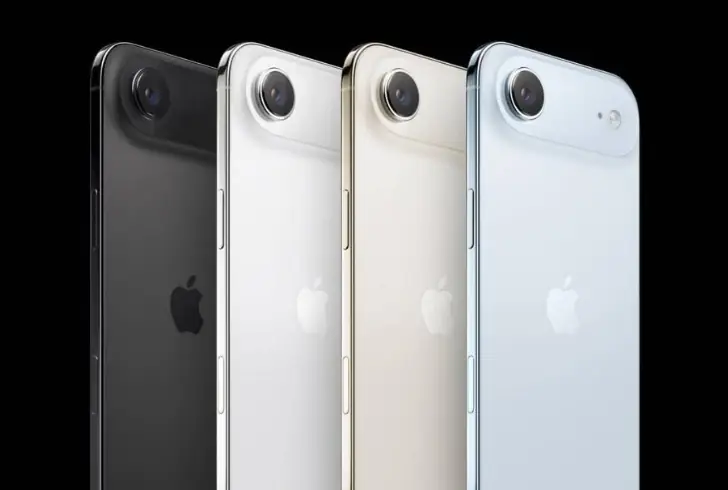
Apple has long influenced the direction of smartphone design, and this decision continues that tradition. The iPhone Air is the first global iPhone model that relies entirely on eSIM technology. Buyers will no longer find a SIM card slot, just the digital alternative that allows network switching without any physical card.
Although this marks a milestone, Apple has not yet cut ties with SIM cards completely. The newly announced iPhone 17, 17 Pro, and 17 Pro Max will still feature physical SIM slots in most countries, though select markets will see only eSIM models.
What Makes the SIM So Important?
SIM stands for Subscriber Identity Module. This tiny chip links a phone to a mobile network, enabling calls, texts, and data usage. For decades, it has been a non-negotiable component of every device. Recently, however, the eSIM has emerged as a more flexible alternative. Newer smartphones often support both options, letting users choose between traditional cards and digital profiles.
The iPhone Air changes that balance by eliminating the tray altogether. In doing so, Apple is betting on digital adoption at a global scale, something analysts believe will reshape the market over the next decade.
Experts Weigh In
Technology analyst Kester Mann described Apple’s move as “the beginning of the end of the physical SIM card.” His view reflects a growing consensus that the industry is moving steadily toward eSIM dominance.
Paolo Pescatore, an analyst at PP Foresight, added that the shift could eventually make SIM trays obsolete. He pointed out that Apple’s decision aligns with broader trends, as billions of eSIM-enabled devices are already in circulation. Forecasts predict more than three billion eSIM smartphones will be active by 2030, a leap from 1.3 billion at the end of 2024.
Why eSIM Could Be Better
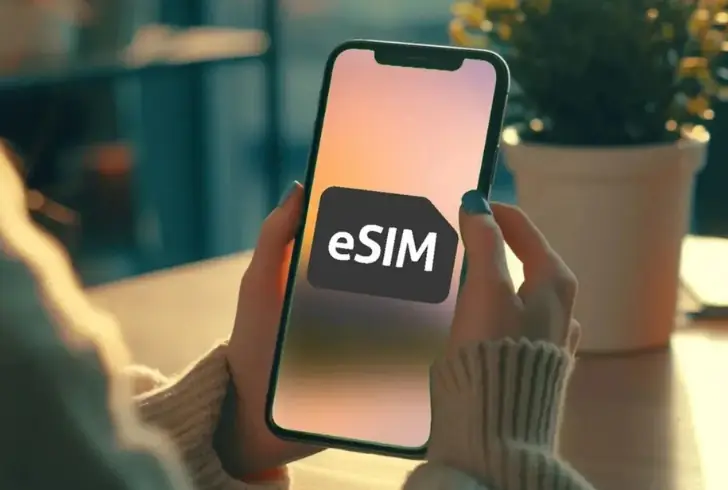
The shift to eSIM offers several advantages. First, eliminating the SIM tray frees up valuable space inside devices. Manufacturers can use that room for larger batteries or additional components, making phones more efficient.
Second, eSIMs reduce reliance on plastic cards, which benefits the environment. Each phone sold without a SIM tray means one less piece of plastic in circulation.
Travelers also gain flexibility. Switching carriers abroad becomes quicker and easier, with fewer surprises on monthly bills. Instead of searching for local SIM cards, users can activate a new network profile digitally within minutes.
Challenges Along the Way
Despite these benefits, not everyone is ready to say goodbye to the SIM card. For older users or those less comfortable with technology, the transition could be confusing. Mann warned that companies must put in the effort to explain how eSIMs work and guide customers through the process.
There’s also the matter of global adoption. While Apple leads with innovation, other brands like Samsung and Google continue to support both SIM and eSIM, particularly in markets where digital infrastructure is less developed. For now, the two formats will likely coexist.
The arrival of the iPhone Air highlights Apple’s influence on shaping industry standards. When Apple commits to a new feature, competitors often follow. The introduction of eSIM-only devices suggests that the SIM tray’s future is limited.
As adoption grows, the transition may not happen overnight, but it is clearly underway. People may soon look back at the days of poking tiny trays with a pin as a quirky part of early smartphone history.