Quantum computing is no longer a concept confined to research labs. It is steadily moving toward commercial use, and with that shift comes a growing demand for specialized real estate. Much like artificial intelligence created a boom in data centers, quantum’s expansion is expected to spark a new wave of development in the property market.
Why Quantum Needs Its Own Space
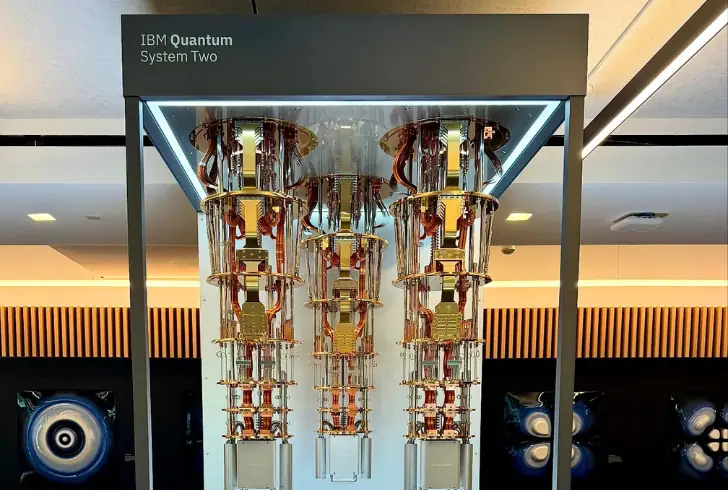
Quantum machines don’t fit into traditional data centers. They require unique environments—shielded from electromagnetic interference, vibrations, and even sound. These computers are delicate in structure yet powerful in function, relying on quantum mechanics to process problems that classical systems can’t handle. Because of these needs, real estate developers and investors are watching closely as the industry pushes toward commercialization.
Experts suggest that a clear inflection point is near. Within the next five years, quantum technology is expected to become commercially viable. Once that happens, the industry will likely scale quickly, echoing the explosive growth seen with artificial intelligence.
Investment and Growth Potential
Although quantum companies generated less than $1 billion in revenue last year, forecasts point to exponential growth. Analysts estimate the market could draw $20 billion in investments by 2030 and surpass $100 billion in annual revenue by 2035. One breakthrough—often referred to as the “quantum advantage”—could ignite funding on a massive scale, similar to how generative AI accelerated investment across technology sectors.
Global tech leaders including Microsoft, IBM, Google, and Amazon are already heavily invested. Their breakthroughs are laying the foundation for real-world applications in industries such as pharmaceuticals, agriculture, manufacturing, and financial services. The technology also presents challenges, particularly in encryption and cybersecurity, making its advancement both an opportunity and a risk.
Where Quantum Computing Will Grow
For now, most quantum facilities remain tied to academic and government institutions. These hubs provide access to researchers, advanced infrastructure, and specialized talent. In the United States, leading markets include Chicago, Boston, New Haven, Southern California, Colorado, and Maryland.
Chicago is emerging as a standout example. PsiQuantum selected a former steel mill site for its operations, supported by state funding. The Illinois Quantum and Microelectronics Park is now being developed across more than 120 acres, offering millions of square feet designed to host future facilities. Analysts see the city as a model for how public and private interests can align to build dedicated quantum campuses.
The Role of Data Centers
The question many investors raise is whether quantum will replace or disrupt existing data centers. The answer, at least for now, is no. Quantum computing is not a substitute but an addition. Traditional centers remain vital for cloud infrastructure and artificial intelligence workloads, while quantum requires tailored environments.
Some developers see potential in integrating quantum within or alongside data centers. This hybrid approach could provide cloud operators with the flexibility to pair classical and quantum computing for maximum efficiency. Others argue that specialized hubs near universities and research centers will dominate, since few locations can meet the technology’s requirements at scale. Both paths remain open, with real estate development likely taking shape across multiple models.
What the Future Holds

The commercial real estate market is preparing for the next chapter in technology-driven demand. Quantum is advancing faster than many predicted, and its path toward commercialization signals a need for entirely new types of facilities. The industry’s success depends not only on private investment but also on government backing, academic partnerships, and a highly skilled workforce.
If growth follows projections, the next decade could see billions flowing into property designed to support quantum operations. Just as data centers became a central piece of AI’s expansion, quantum computing may soon create its own thriving real estate sector.
Quantum’s Real Estate Impact
Quantum computing is moving beyond experimental phases and heading toward commercial reality. Its distinct requirements ensure that it will not simply fit into existing data centers but instead drive demand for specialized spaces in targeted regions. With global tech leaders investing heavily and governments showing support, the stage is set for real estate to play a defining role in quantum’s rise.
The shift could position quantum as one of the most significant property trends of the next decade, reshaping how and where technology infrastructure is built.