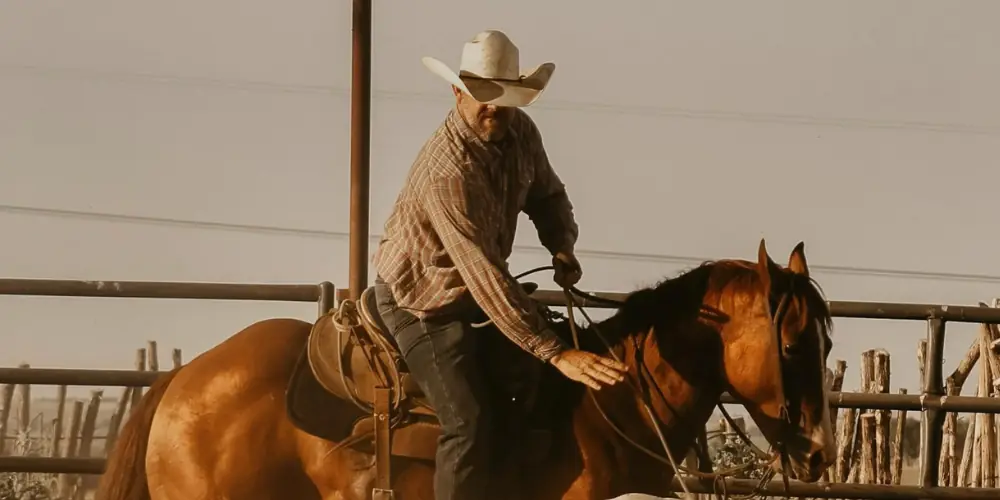
Picture this: the chute clangs open, dust plumes, and all eyes track a cowboy mid-stride. But what the crowd doesn’t see is the backstage choreography—the grip on the rope, the deliberate tug on the gloves, the last tug at the hat brim. These moments are more than nerves; they’re rituals shaped by decades of working with bulls that could twist a spine. Skipping them? That’s like walking into a storm without your compass.
Old-Timers Didn’t Write It Down
There’s no dusty tome titled Superstitions of the Rodeo. Instead, these beliefs—don’t mount from the right side, never pre-count your paydays—were absorbed on ranches and at kitchen tables. They came from trial-and-error: a slip-up here, a close call there. Each tiny tradition is tethered to a real story, even if nobody thought to jot it down.
The Hat Shows the Habits
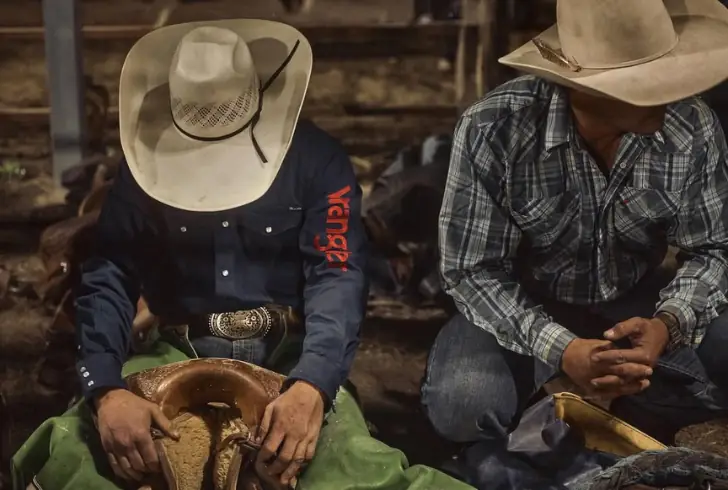
That Stetson isn’t just a fashion choice—it’s a ritual vessel. Cowboys avoid laying it on beds not merely for shape’s sake, but out of respect—and because bygone headaches included lice-infested hats messing with one’s sleep. Hat-down, brim-first, on a clean surface keeps more than dust out; it keeps the game-day mojo intact. Flip it? You might as well have flipped the fortune cookie.
Personal Quirks, Legendary Focus
Love that gum routine? You’re not alone. Scott Stuart, Pikes Peak Rodeo board member, swears Double Mint keeps him sharp—mouth buzzing, nerves steady. Then there’s the cowboy who colors his socks to match the dust before a ride, or the one who leaves a nickel in his boot “so I don’t ride away with only half my luck.” These personal tics aren’t vanity—they’re anchors, rewriting the narrative from “maybe” to “I’m ready.”
Cowboy Values
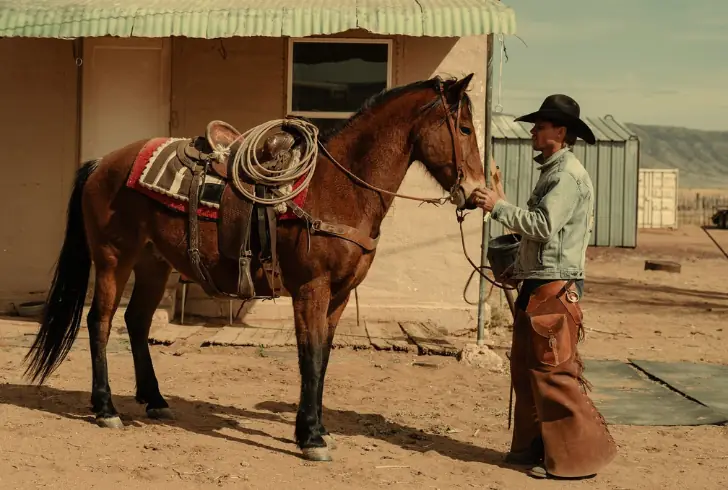
None of this superstitious rigmarole obscures the real constants: loyalty, grit, and caring for the animals they mount. Every ritual nods to a bigger ethos—respect for fellow riders, devotion to family who cheered them on, even love for a horse that felt more partner than beast. That’s the fabric beneath the dust and welt.
Why These Traditions Still Matter
When you know a cowboy avoids yellow, mounts left, or chews a specific gum—suddenly, their world makes sense. You’re witnessing patterns honed under pressure, where consistency breeds confidence. These aren’t idle quirks—they’re purposeful acts in a sport that bowls over everything it touches.
The rodeo isn’t just muscle and showmanship—it’s a living, evolving culture stitched together by the smallest acts: the tilt of a hat, a personal token, a belief carried into the arena. And those tiny threads are what hold everything together.