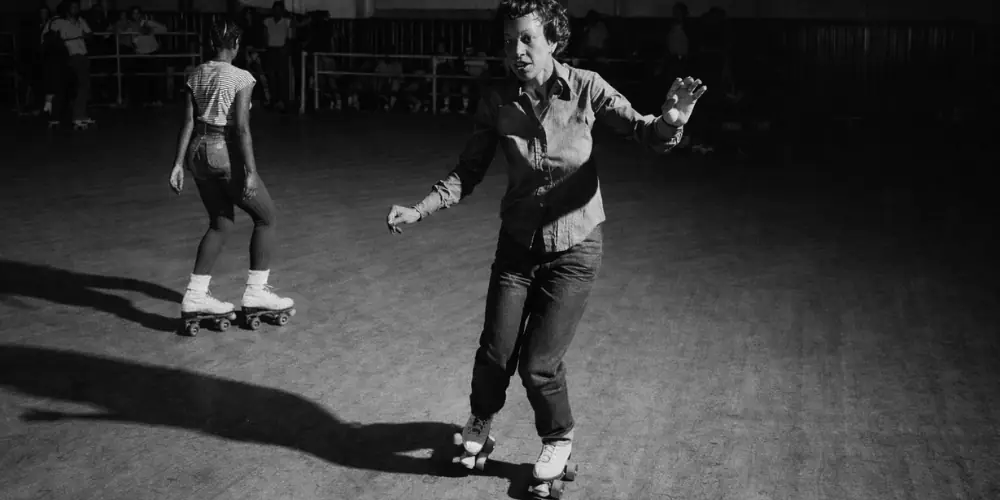
For those who grew up in the 1980s, Friday nights often meant the roller rink: dimmed lights, pulsing music, and skaters moving in a rhythm that felt like pure freedom. Yet the story of roller skating in America runs deeper, rooted in Black culture and built on creativity, resilience, and community.
In the mid-20th century, Black skaters faced widespread restrictions, including in the Bay Area. Some rinks banned them outright; others allowed entry only one night a week. What would later be called “Soul Night” began as “Black Night.” By the 1960s, the nights were renamed “Martin Luther King Night” or “Soul Night,” yet the barriers and discrimination remained.
Despite these barriers, skating became more than recreation—it was a statement. It represented identity, joy, and resistance. The culture grew in spite of exclusion, forging a space where expression and skill were celebrated.
A Pioneer of Roller Dance
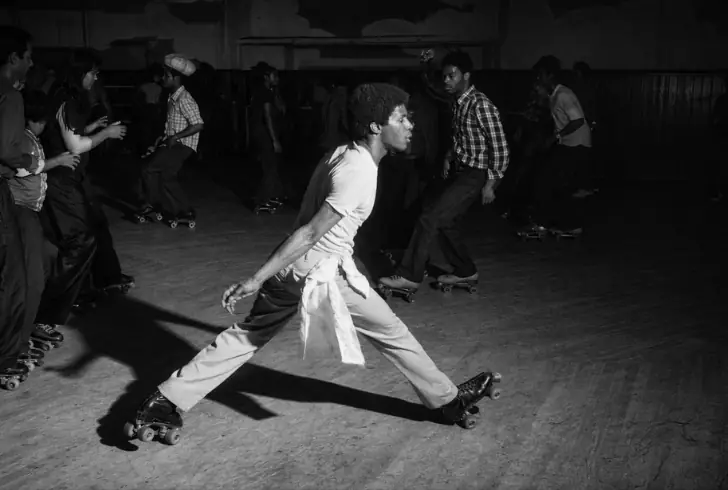
Richard Humphrey, head of the Golden Rollers and founder of the Roller Dance Academy, is a central figure in Bay Area skate culture. From 1979 to 1988, he performed as part of the Golden Rollers, a trio of quad skaters entertaining crowds at Golden Gate Park every Sunday.
Humphrey began skating in the late 1950s and experienced the harsh reality of segregation firsthand. Rinks posted rules and restrictions that often targeted Black skaters directly. Humphrey recalls the impact:
“When you walk in the door, and there are signs posted – know this, know that – we knew who those were directed at. It hurt personally.”
Even decades later, the influence of those early experiences remains. Humphrey’s dedication to skating has carried the culture forward, inspiring a new generation to maintain the tradition.
Passing the Wheels Forward
Takiyah Franklin embodies the connection between past and present in Bay Area skating. She began skating at Hayward’s Valley Vista rink, turning a childhood hobby into a lifelong passion. Franklin trained under Humphrey, gaining not only technical skill but also insight into the history and discipline behind the art.
“Skating is joyful, but it demands discipline. It demands focus. It demands respect for the path that was paved,” Franklin said.
Franklin’s journey reflects the mentorship and legacy embedded in the Bay Area skate scene, where each step and move honors those who faced limitations yet kept the culture alive.
Keeping the Culture Alive
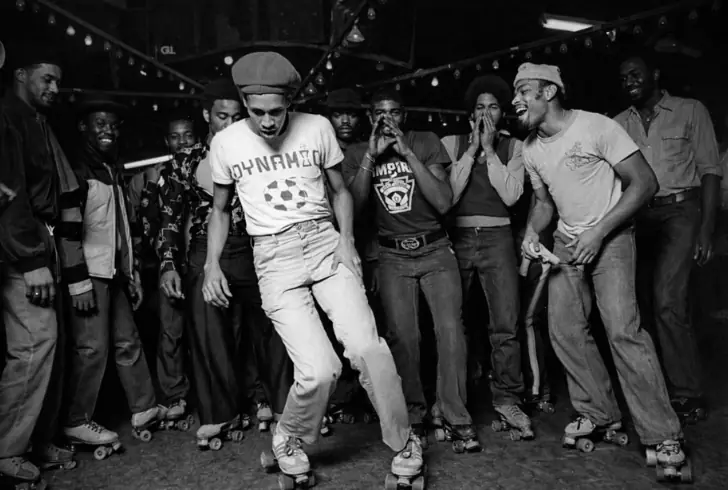
Isaac Farfan, another instructor at Roller Dance Academy, contributes to the continuation of Bay Area skate culture. A San Jose native, Farfan rediscovered skating in 2007 and enrolled in the academy in 2019. He embraced the “Sunday school” style of roller dance taught by Humphrey, combining technique with performance.
Humphrey describes the style:
“I’ve always called myself a roller dancer. So I felt like I kind of coined that term roller dance because that’s what we do, we dance on skates.”
The art of roller dance blends balance, rhythm, and creativity, requiring attention to weight distribution, focus, and body control. Skaters describe it as a harmony of physics and movement, where technical precision meets expressive flow.
From Local Rinks to Global Stages
Humphrey’s influence extends far beyond local parks. He has choreographed routines for Olympic gold medalist Kristi Yamaguchi and skated alongside Usher during the Super Bowl LVIII halftime show, turning the stadium into a roller disco.
These moments highlight the reach and recognition of a culture born in segregated rinks and sustained by passion.
Bay Area skate culture is not a relic of the past. It continues to thrive as a symbol of community, inclusion, and creative expression. The legacy of early pioneers like Richard Humphrey shapes every glide, spin, and dance move on the rink today.
Skating reflects both history and progress—a rhythm of joy that demands respect for the path already paved. For anyone stepping onto the rink, the message is clear: skill, focus, and dedication can open doors once closed, and the culture is alive for anyone willing to join in.