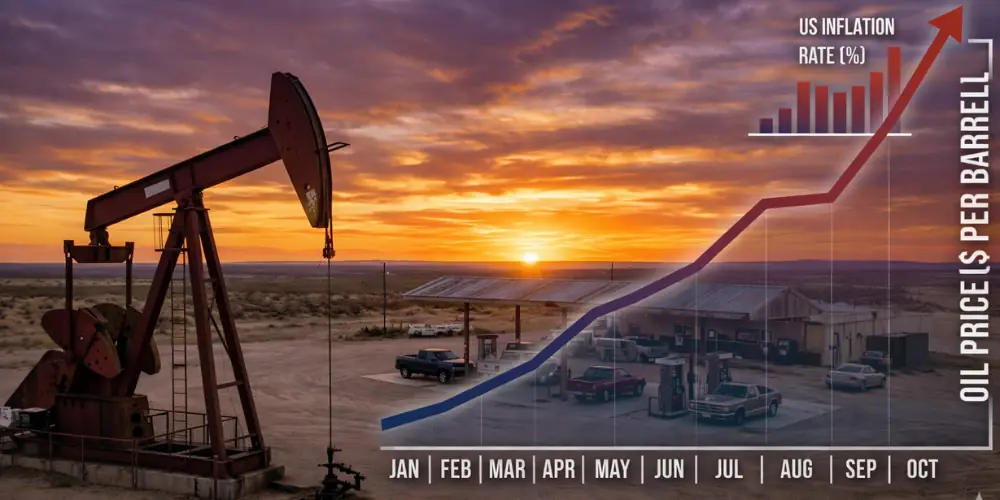
Rising oil prices have rattled financial markets and raised fresh concerns about inflation across the United States. Since the start of the Iran conflict, stock markets have slipped while crude prices have climbed sharply.
Many analysts expect gasoline costs to rise in the coming weeks. Yet a new assessment from Pantheon Macroeconomics suggests the situation may not spiral into a long-term inflation crisis.
Global oil prices have climbed nearly 50% since mid-February, largely due to military strikes by the United States and Israel targeting Iran. The situation escalated after Iran shut down the Strait of Hormuz, a key shipping route for crude oil and other energy supplies worldwide.
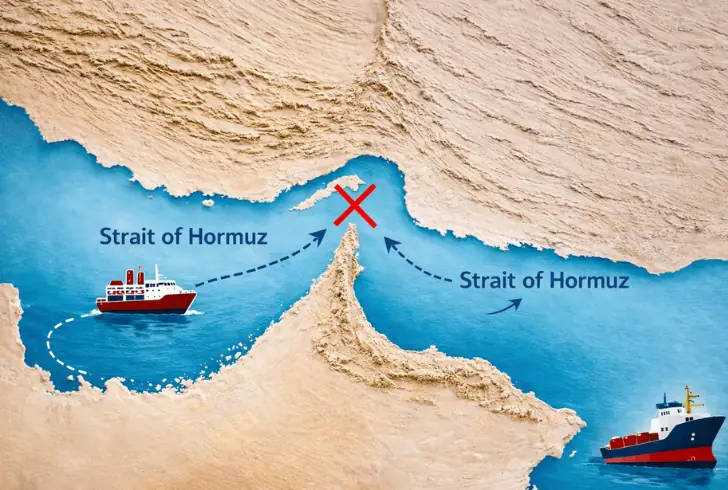
This disruption has tightened global supply and pushed prices higher across energy markets. As a result, American drivers are likely to feel the impact soon. Pantheon Macroeconomics told clients in a recent note that U.S. gasoline prices could reach about $4 per gallon, compared with roughly $3 per gallon at the beginning of March.
The sharp increase has raised alarms among investors and policymakers who worry that higher fuel costs could push consumer prices upward across the economy.
Weak Job Market Capping Inflation
Despite the surge in energy prices, Pantheon Macroeconomics believes the inflation effect will be temporary. The firm argues that a softening labor market is preventing sustained price pressure from taking hold.
Samuel Tombs, the firm’s Chief U.S. Economist, explained that policymakers at the Federal Reserve will likely observe the situation before reacting.
“The Fed will wait to see if the jump in energy prices has broader consequences for inflation,” Tombs wrote. He also noted that the risk of secondary inflation effects remains low.
According to Tombs, rising inflation expectations alone will not drive higher wages if employers still control pay negotiations and consumer spending slows.
Job Losses Signal Economic Cooling
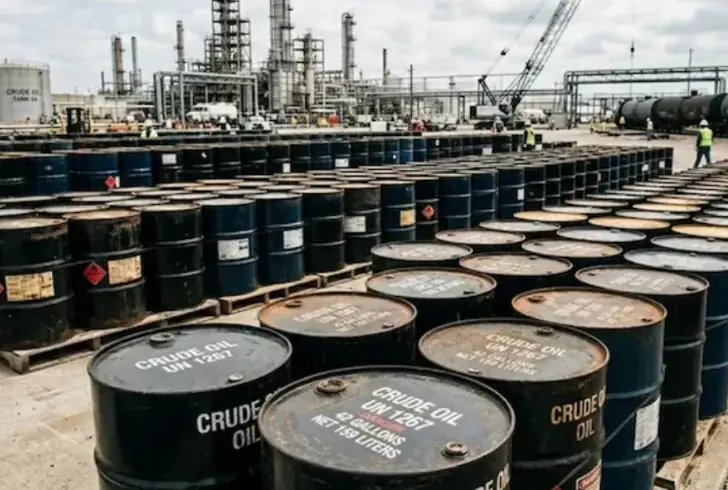
Recent employment data supports the idea of a weakening labor environment. The Bureau of Labor Statistics reported that the U.S. economy lost 92,000 jobs in February, far below forecasts that predicted more than 50,000 new positions.
Several trends suggest the labor outlook could weaken further in the months ahead:
Small businesses have lowered hiring plans, signaling caution across the private sector. Job losses are coming mainly from private payrolls rather than government employment. February’s weak numbers also cannot be blamed on weather disruptions.
Because of these pressures, Tombs expects unemployment to rise to about 4.75% by summer, compared with the current 4.4% rate.
Fed May Shift Focus Toward Jobs
As unemployment increases, the Federal Reserve could place greater emphasis on supporting the labor market rather than battling inflation. Tombs expects policymakers to begin easing monetary policy once job losses become a larger concern.
“We think the weakening labor market will be the FOMC’s main worry by the summer,” Tombs wrote. The economist also expects 75 basis points of interest-rate cuts during the year if current trends continue.
Oil prices have surged amid geopolitical tensions and supply disruptions, pushing gasoline prices higher across the United States. While the spike has triggered inflation worries, Pantheon Macroeconomics believes the impact will fade rather than expand.
Weak hiring trends, declining job growth, and a potential rise in unemployment are likely to keep wage pressure limited. As a result, policymakers may shift attention toward economic stability and employment rather than treating inflation as the primary threat.